
HEALTH NEWS FOR YOU
Informative articles, videos and health news that may be useful for you.
Postpartum Depression
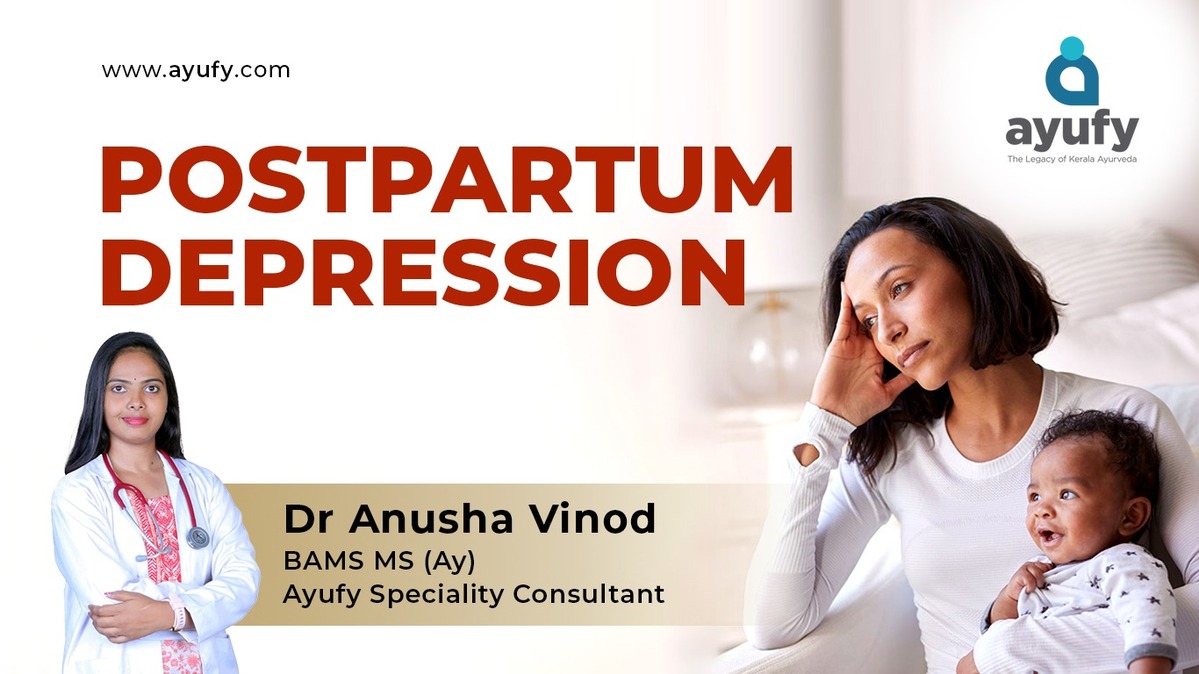
Postpartum depression (PPD) is a common type of depression that occurs after childbirth, affecting up to 15% of individuals. It can manifest as emotional highs and lows, frequent crying, fatigue, guilt, and anxiety, making it challenging to care for the baby. However, it is treatable with medication and counseling.
Overview
What is postpartum depression?
PPD is a form of depression occurring after childbirth, affecting not only birth parents but also surrogates and adoptive parents. Hormonal, physical, emotional, financial, and social changes post-delivery contribute to its symptoms.
Types of postpartum depression:
1. Postpartum blues or baby blues: Common and temporary, usually resolving within two weeks without treatment.
2. Postpartum depression:
More severe than baby blues, affecting about 1 in 7 new parents, with symptoms ranging from mild to severe.
3.Postpartum psychosis:
A rare but severe form requiring emergency medical attention, characterized by hallucinations, delusions, and suicidal thoughts.
Who is affected by postpartum depression?
It's common, with up to 75% experiencing baby blues and 15% developing postpartum depression. Postpartum psychosis affects 1 in 1,000 individuals.
How do I distinguish between baby blues and postpartum depression?
While both have similar symptoms, baby blues are milder and last about 10 days, whereas postpartum depression symptoms are more severe and can last weeks or months.
What are the symptoms of postpartum depression?
Symptoms include sadness, guilt, anxiety, changes in appetite or sleep patterns, lack of energy, and thoughts of self-harm or harming the baby.
What causes postpartum depression?
Hormonal changes, along with social and psychological factors, contribute. A rapid drop in estrogen and progesterone levels after childbirth is thought to play a role.
Can postpartum depression affect my baby?
Yes, it can lead to bonding issues, behavioral problems, and neglect of the child's care.
Diagnosis and Tests
How is postpartum depression diagnosed?
Healthcare providers assess symptoms during postpartum visits and may use depression screening tools like the Edinburgh Postnatal Depression Scale.
Ways to cope with postpartum depression:
Seeking support, joining a support group, maintaining healthy habits, and prioritizing self-care can help cope with PPD.
What happens if postpartum depression isn't treated?
Untreated PPD can lead to severe consequences, including low energy, impaired decision-making, and thoughts of self-harm.
Prevention
Can postpartum depression be prevented?
While not entirely preventable, managing expectations, seeking help, prioritizing self-care, and fostering support networks can reduce the risk.
Outlook / Prognosis
What is the outlook for women with postpartum depression?
With professional help, most individuals can overcome PPD symptoms.
Living With
When should I seek professional medical treatment for symptoms related to postpartum depression?
Seek help if symptoms persist beyond two weeks, impair daily functioning, or involve thoughts of harming oneself or others. In emergencies, dial 911 or contact the Suicide and Crisis Lifeline.
Share Post





Our Team
VIEW ALL
Dr. Satheesh Kumar
Senior Fertility Specialist
BAMS
Dr. Jobby George
Consultant
BAMS, CCAG (Course in Ayurveda)
Dr. Liya C K
Fertility Specialist
BAMS
Dr. Arbaz Mudnal
Consultant Ayurveda
BAMS, MD
CONTACT US
Ayufy Fertility Centre
Kundara Rd, Nallila, Kollam,
Kerala 691515
097454 84477
LOCATION
Stay Connected


SERVICES