
HEALTH NEWS FOR YOU
Informative articles, videos and health news that may be useful for you.
The Importance of Early Management of Prediabetes
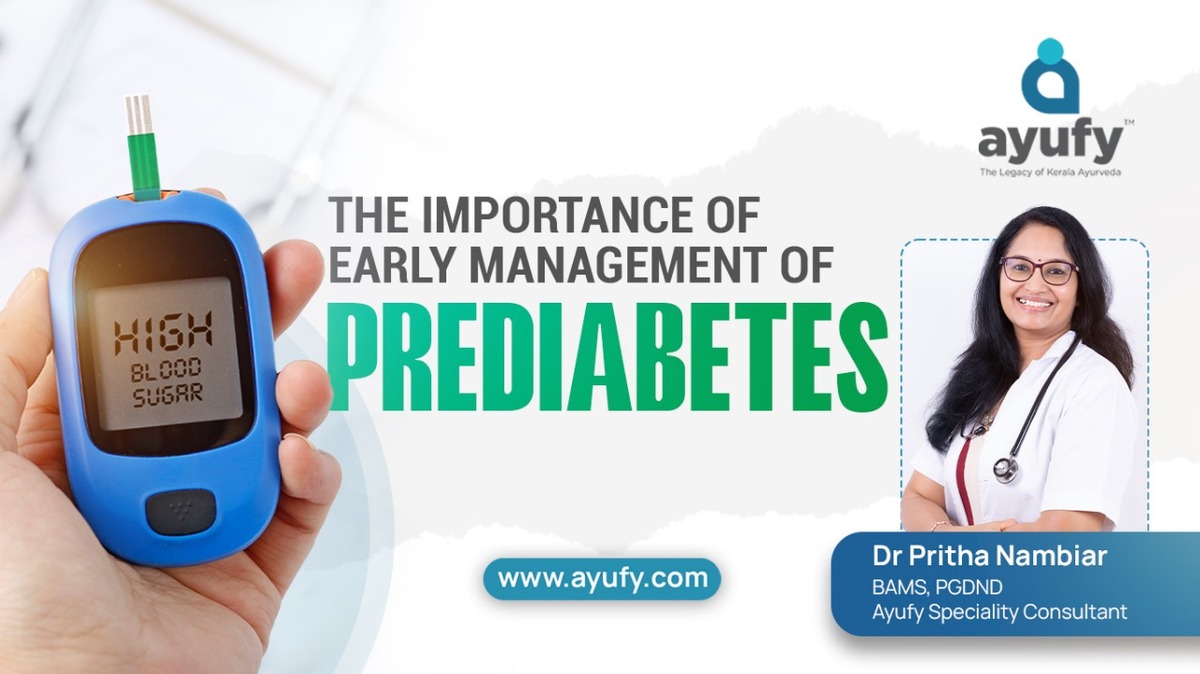
Prediabetes is a condition characterized by blood glucose levels that are higher than normal but not yet high enough to be classified as Type 2 diabetes, is a growing public health concern worldwide. It is estimated that the number of people with diabetes rose from 108 million in 1980 to 422 million in 2014 [WHO]. Alarmingly, most Individuals with prediabetes are unaware of their condition, making prevention of progression to type 2 diabetes a significant challenge. Regular blood sugar testing is crucial for managing prediabetes, as pathological abnormalities, such as insulin resistance and beta-cell dysfunction, can exist even before the onset of diabetes.
Pre-diabetes or impaired glucose tolerance/fasting glucose means that normal blood sugar levels are higher than normal but not high enough to qualify as diabetes. The World Health Organization (WHO) has defined prediabetes as a state of intermediate hyperglycemia using two specific parameters.
--Impaired fasting glucose (IFG) is defined as fasting plasma glucose (FPG) of 6.1-6.9 mmol/L (110 to 125 mg/dL) and-
-Impaired glucose tolerance (IGT) is a 2Hr plasma glucose of 7.8–11.0 mmol/L [140–200 mg/dL].
Along with that, -
Hemoglobin A1c (HbA1c), which shows the average glucose levels over the last 3 months in the range of 5.7-6.4%, then the person is considered to have prediabetes.
Common symptoms
Although prediabetic individuals often do not experience symptoms, some subtle signs may be present that are not always apparent. But what can be noticed are
* Itchy skin, darkened skin in your armpits or back and sides of your neck (Acanthosis nigricans) and skin tags
* Frequent urination [polyuria].
* Blurry vision
* Recurrent infections and delayed wound healing
* Fatigue or tiredness
* Increased thirst [ polydipsia]
* Abnormal hunger levels: cells' inability to create energy due to a lack of glucose uptake causes excessive hunger, resulting in hyperphagia and polyphagia, which are abnormally high appetites that are frequently accompanied by insatiable hunger.
Health Implications of Pre-Diabetes
Progression to Type 2 Diabetes
Ignoring prediabetes can lead to type 2 diabetes, a condition requiring lifelong management. Type 2 diabetes can cause severe health problems, including heart disease, nerve damage [neuropathy], kidney problems [nephropathy], and eye issues [retinopathy].
Strategies for Managing Prediabetes
-Losing weight (every 1 kg reduction in weight reduces the risk by 16%)
.Exercise- is essential for the management of diabetes. 150 minutes of moderate aerobic activity or 75 minutes of vigorous activity each week. Include strength training exercises to add muscle mass, thus improving insulin sensitivity Or Aim for at least 30 minutes of moderate exercise such as brisk walking, biking, or swimming on most days of the week.
Diet And Nutrition
Dietary changes (such as reducing fat intake to <30%, of which <10% is saturated fat, avoiding high sugary foods, and choosing a well-balanced diet with the right amount of protein, fat, and complex carbohydrates and vegetables)
.Stress Management: High-stress levels elevate blood sugar and insulin levels. Yoga, meditation, deep-breathing exercises, or pranayama can help manage stress. Or seek help from a health professional.
Supplements like Vitamin D, Magnesium, and Omega 3 can be taken under the supervision of healthcare professional
.Motivational interviewing. A communication strategy that is successful in modifying behaviors helps strengthen an individual's motivation towards a specific goal
.Education: Diabetes is complex, and many factors affect blood sugar levels. Do your best to educate yourself on prediabetes and diabetes from reliable sources. Depending on the case, along with the above modifiable factors, medications may also be prescribed to help manage blood sugar levels.
Conclusion
Managing prediabetes is crucial for maintaining good health as it helps prevent the progression of type 2 diabetes and other complications. However, a low awareness of prediabetes remains a barrier to early intervention and prevention. Increased education and outreach are required to improve the identification and management of prediabetes patients. Healthcare systems and policymakers can reduce the burden of type 2 diabetes and its complications by emphasizing early intervention.
Share Post





Our Team
VIEW ALL
Dr. Satheesh Kumar
Senior Fertility Specialist
BAMS
Dr. Jobby George
Consultant
BAMS, CCAG (Course in Ayurveda)
Dr. Liya C K
Fertility Specialist
BAMS
Dr. Arbaz Mudnal
Consultant Ayurveda
BAMS, MD
CONTACT US
Ayufy Fertility Centre
Kundara Rd, Nallila, Kollam,
Kerala 691515
097454 84477


SERVICES
Herbal Medicines
Preconception Therapies
Lifestyle Therapies
Infertility Counselling